A wine cooler needs steady temperature control to protect the bottles inside. When it runs warm, freezes bottles, makes noise, leaks, or will not turn on, the issue should be checked before your wine storage is affected. Mr. Appliance of St. George provides wine cooler repair for homes in St. George and nearby Southern Utah communities. We service many built-in, undercounter, freestanding, single-zone, and dual-zone wine coolers. Whether the problem involves cooling, airflow, controls, sensors, door seals, fans, or vibration, we can inspect the appliance and explain your repair options.
Wine Cooler Repair in St. George, UT
Wine Cooler Service for St. George Homes and Entertaining Spaces
Easy Online Booking
Complete in under 2 minutes
Wine Cooler Repair in St. George, UT
Wine Cooler Service for St. George Homes and Entertaining Spaces
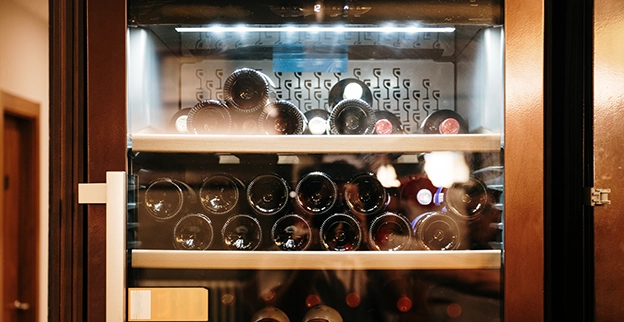
Wine Cooler Problems Can Affect Temperature, Flavor, and Storage
Wine coolers are designed for consistent storage, not just cold air. If the temperature drifts too high, wine may age faster than expected. If the unit gets too cold, bottles can be damaged. Noise, vibration, warm zones, or a door that will not seal can also affect the appliance’s performance.
St. George homes can place extra demand on wine coolers. Desert heat can make cooling systems work harder. Dust can collect around vents and condenser areas. Built-in units may struggle when airflow is limited by cabinetry. Vacation homes and rental properties may have wine coolers that sit unused for weeks and then run heavily when guests arrive. Mr. Appliance of St. George can diagnose the issue and help you decide whether repair or replacement is the better option.
Wine Cooler Problems Can Affect Temperature, Flavor, and Storage

Wine Cooler Repair for St. George Homes
Wine coolers help protect bottles from heat, light, and unstable temperatures. They are often installed in kitchens, bars, casitas, butler’s pantries, and entertainment areas. When a wine cooler stops holding temperature, the issue can affect both convenience and storage quality.
Mr. Appliance of St. George provides wine cooler repair for primary homes, vacation homes, and rental properties. We service many built-in, undercounter, freestanding, single-zone, and dual-zone wine coolers. Our goal is to identify the source of the issue and explain the next step clearly.
Temperature stability is the most important part of wine cooler performance. A unit may run too warm because of blocked airflow, dirty condenser coils, weak fans, a faulty thermostat, or a failing control board. A unit may run too cold if a sensor or control issue causes the cooling cycle to continue too long.
Built-in wine coolers need proper ventilation. If air cannot move around the appliance, heat can stay trapped around the cabinet opening. This can make the cooler run longer and struggle to maintain the correct temperature. Good airflow is especially important in St. George homes during hot weather.
Door seals also matter. A worn gasket can let warm air enter the cabinet. That can cause temperature swings and extra condensation. It may also make the appliance cycle more often than it should. If the door does not close correctly, the cooler may never stabilize.
Noise and vibration should not be ignored. Some operating sounds are normal, but loud buzzing, clicking, rattling, or grinding may point to a fan, compressor, relay, or mounting issue. Too much vibration can also be a concern for wine storage.
Southern Utah conditions can affect wine coolers over time. Desert dust can collect around vents and coils. Heat can make cooling problems more noticeable. Power interruptions can affect electronic controls, displays, and temperature settings.
Wine coolers in vacation homes may have a different pattern of use. They may sit untouched for a while and then get filled before guests arrive. This can reveal weak cooling, sensor issues, or door seal problems. Rental homes may also experience more frequent door openings and setting changes.
Mr. Appliance of St. George is backed by the Neighborly Done Right Promise®, which means we are committed to getting the job done right. When you schedule wine cooler service, our goal is to provide clear communication, careful diagnostics, and repair options you can feel confident about.
Repair may make sense when the wine cooler is newer, built-in, or part of a matching kitchen or bar design. Replacement may be worth considering if the unit has repeated cooling failures, major sealed system issues, or parts that are no longer available. If the repair involves a higher-cost component, ask about available payment or financing options when scheduling service.
Built-In and Undercounter Wine Cooler Repair
Built-in and undercounter wine coolers need proper airflow to work well. Cabinet openings, trim, flooring, and ventilation can all affect performance. Mr. Appliance of St. George can inspect the appliance and help determine whether the issue is related to cooling, airflow, controls, or installation access.
Dual-Zone Wine Cooler Repair
Dual-zone wine coolers are designed to keep different sections at different temperatures. If one zone is too warm or too cold, the issue may involve a fan, sensor, damper, control board, or airflow problem. We can inspect the unit and explain what may be affecting each zone.
Wine Cooler Brands We Service
Mr. Appliance of St. George services many wine cooler brands found in local homes. Service availability can vary by appliance type, model, installation style, and part availability.
- Sub-Zero
- Viking
- KitchenAid
- JennAir
- U-Line
- Perlick
- True Residential
- GE
- Café
- Whirlpool
- Frigidaire
- Bosch
- Thermador
- Monogram
- Danby
- And more wine cooler brands

We Repair and Service All Major Appliances






Mr. Appliance of St. George
Areas We Serve
- Colorado City
- Littlefield
- Alamo
- Bunkerville
- Caliente
- Hiko
- Logandale
- Mesquite
- Moapa
- Overton
- Panaca
- Pioche
- Beryl
- Brian Head
- Cedar City
- Central
- Dammeron Valley
- Enterprise
- Gunlock
- Hildale
- Hurricane
- Ivins
- Kanarraville
- La Verkin
- Leeds
- Modena
- New Harmony
- Newcastle
- Paragonah
- Parowan
- Pine Valley
- Rockville
- Saint George
- Santa Clara
- Springdale
- St. George
- Summit
- Toquerville
- Veyo
- Virgin
- Washington
Services We Provide
Frequently Asked Questions About Wine Cooler Repair in St. George
Below are commonly asked questions from St. George homeowners about wine cooler repair, temperature problems, airflow, door seals, built-in units, and repair versus replacement.