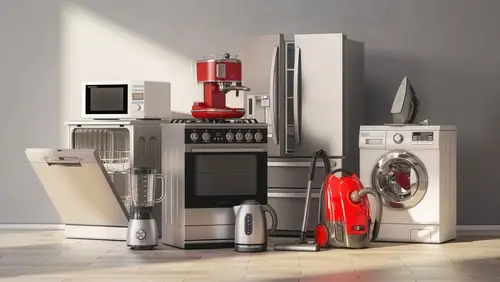
Mr. Appliance® experts identify the most common home appliance breakdowns and how you can keep your machines running smoothly for years to come.
|
When home appliances stop working as well as they should, the fear of pricey replacements can often keep homeowners from addressing the issue. If you’ve been making do with partially functioning or completely broken appliances, timely repair and preventative maintenance can save you time, money, and energy.
Whether you’re dealing with a noisy washing machine, a leaky dishwasher, or a refrigerator that won’t stay cold, solutions are available. This guide explores the most common broken appliances, why they fail (and how to prevent it), and what to do when they stop working.
Article contents
- What to Do With Broken Appliances
- Common Breakdowns in Home Appliances
- Why Choose Mr. Appliance for Professional Service
- FAQs About Common Broken Appliances
What to Do With Broken Appliances
When faced with a broken appliance like a washing machine, refrigerator, or dryer, the first step is deciding whether to repair or replace it. Before shopping for a new machine, it’s worthwhile to contact a qualified service professional who can inspect the problem, provide a diagnosis, and quote a repair price.
Here are a few key factors:
- Age of the appliance: If your unit is less than halfway through its expected lifespan, a repair may make more financial sense.
- Cost of repair vs. replacement: Compare the repair estimate to the price of a new appliance. Don’t forget to factor in delivery, installation, and disposal of the old one.
- Environmental impact: Repairing instead of replacing reduces landfill waste and conserves resources.
If replacement is unavoidable, please dispose of your broken appliances properly. Refrigerators and freezers contain coolants that can harm the environment, while dishwashers and washers may include recyclable components. Your local recycling center or retailer may even offer pickup or rebate programs for used appliances when you upgrade to energy-efficient models.
Common Breakdowns in Home Appliances
Even better than repairing a broken appliance is catching any problems before they cause a breakdown. Let’s review the most common underlying issues that lead to broken appliances in your home—and how to prevent them.
Broken washing machine
The average washing machine lasts around 10 years, but improper use or lack of maintenance can shorten that lifespan:
- Uneven flooring or improper hose connections can cause unnecessary strain
- Overloading the washer or using too much detergent can also wear out internal components over time.
- Always empty pockets before washing to prevent objects from damaging the drum or clogging the drain line.
If your washer leaks, refuses to drain, or shakes violently during spin cycles, consider professional repairs. Replacement parts may be difficult to find if the unit is several decades old, but a professional can determine whether the issue stems from the motor, belt, or drainage system and help you decide if washing machine repair or replacement is more cost-effective.
Broken dryer
Dryers have a similar lifespan as washing machines, about 10 years. Whether you have a gas or electric dryer, the problems we see most often include longer drying times, overheating, or a burning smell while in use.
- The most important maintenance step is cleaning the lint screen after every load. A clogged screen restricts airflow, forcing the dryer to work harder and increasing the risk of overheating or fire. Once a year, have a service professional clean out the dryer vent system to remove hidden lint and debris.
- Wipe the moisture sensor with rubbing alcohol once a month to keep it functioning correctly. If your dryer is running but clothes are still damp at the end of the cycle, poor ventilation or a worn heating element may be to blame. Regular cleaning and inspection help prevent major failures and extend your dryer’s lifespan.
Broken refrigerator
A refrigerator is one of the hardest-working appliances in your home. But after 10–15 years of reliable service, minor problems inevitably appear. These include inconsistent temperature, noisy compressors, and leaky water dispensers.
- One of the most common problems we see when servicing refrigerators is dirty condenser coils. Dust buildup restricts airflow, forcing the compressor to work harder to maintain cool temperatures. Clean your coils at least twice a year using a coil brush or vacuum attachment, and you’ve already won half the battle.
- Keep your fridge well-stocked. An empty fridge requires more energy to stay cool because there’s less thermal mass to maintain stable temperatures. If you notice constant cycling or uneven cooling, contact a service professional who can inspect the thermostat, compressor, or seals to prevent further damage.
If your unit is beyond the point of fixing or you’re simply ready for an upgrade, make sure you know how to dispose of a refrigerator before ordering a replacement.
Broken dishwasher
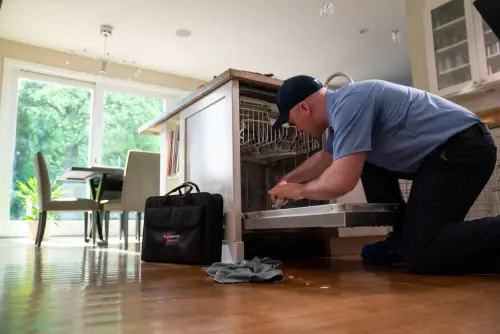
Dishwashers usually last 10 to 13 years, but improper use and mineral buildup can send them to the appliance graveyard sooner. If your dishes come out cloudy, the dishwasher leaks, or it no longer drains properly, don’t wait to schedule dishwasher repairs.
- To keep your dishwasher working as long as possible, avoid washing non-dish items and run it regularly to keep gaskets, seals, and hoses from drying out. Each month, run an empty cleaning cycle with sugar-free lemonade mix in the detergent compartment—this helps dissolve grease, soap scum, and hard water deposits.
- If water isn’t draining, check the filter and drain hose for obstructions. Should the problem persist, call a service professional who can safely inspect the motor and pump system. Preventive maintenance and prompt attention to minor issues can significantly extend your dishwasher’s life.
Broken garbage disposal
Garbage disposals are compact but powerful kitchen helpers that can last up to 15 years with proper care. However, improper use often leads to early wear or complete failure. If your disposal jams frequently, produces strange noises, or emits unpleasant odors, it may need service.
- To protect your disposal, never put hard or fibrous materials (like bones, fruit pits, corn husks, or onion skins) down the drain. These items can damage the blades and motor. Instead, run small food scraps with cold water and occasionally grind ice cubes or citrus peels to keep the blades sharp and the system odor-free.
- If the disposal doesn’t turn on, check for a tripped reset button or circuit breaker. Persistent humming sounds usually indicate a jam that requires manual clearing. If you’re unable to free the blades safely, request professional garbage disposal service.
Why Choose Mr. Appliance for Professional Service

Whether you’re dealing with one or several broken appliances, don’t let frustration build up in your household. The sooner you address the issue, the more effectively you’ll avoid additional damage or costly replacement.
Mr. Appliance offers prompt, courteous, and expert appliance repair services for every major brand and model. Our service professionals are trained to diagnose issues accurately, provide upfront pricing, and restore your appliances to peak performance.
Schedule a visit from Mr. Appliance today and enjoy peace of mind knowing your home appliances are in capable hands.
This article is intended for general informational purposes only and may not be applicable to every situation. You are responsible for determining the proper course of action for your home and property. Mr. Appliance is not responsible for any damages that occur as a result of this blog content or your actions. For the most accurate guidance, contact the Mr. Appliance location nearest you for a comprehensive, on-site assessment.
FAQs About Common Broken Appliances
Decades of experience, highly skilled service professionals, and a commitment to exceptional customer service have made Mr. Appliance a trusted leader in appliance maintenance and repairs. Our commitment to keeping your appliances up and running includes using our many years of experience and expertise to answer your questions. Here are answers to some of the most frequently asked questions about broken appliances in your home.