
Mr. Appliance® experts explain how refrigerators keep food cold by cycling refrigerant through a closed system.
|
Most people don’t give much thought to what’s happening inside their refrigerator until it stops working. But understanding the science behind how this essential appliance operates can help you take better care of it, troubleshoot small issues, and enjoy flawless operation longer.
So, how does a refrigerator work? Let’s take a closer look at what goes on behind the magnet-covered door to keep your food safely chilled.
Article contents
- The Basic Science of Refrigeration
- The Main Parts of a Refrigerator
- Step-by-Step: How Your Fridge Works
- Common Refrigerator Problems and Causes
- How to Keep Your Refrigerator Running Efficiently
- Why Choose Mr. Appliance for Professional Fridge Repair
- FAQs About How a Refrigerator Works
The Basic Science of Refrigeration
At its core, a refrigerator’s job is simple: It keeps your food cold enough to slow down bacterial growth and prevent spoilage.
The key to this process is a chemical refrigerant that circulates through a closed loop of coils and tubes, changing between liquid and gas states. As it does, it absorbs heat from inside the fridge and releases it outside. This cycle repeats again and again, maintaining a steady, cold temperature inside the appliance.
This is the same refrigeration process used in air conditioners, heat pumps, and freezers. The concept is simple but powerful: Remove heat from one place and move it somewhere else.
The Main Parts of a Refrigerator
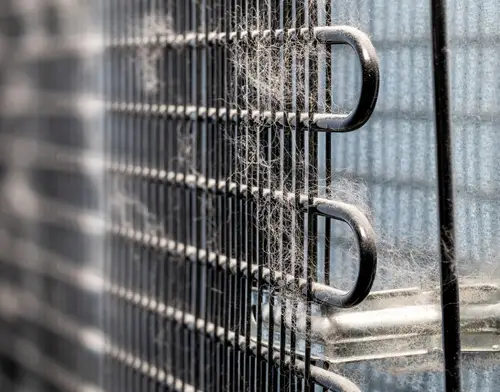
Understanding the key components of your fridge can help you appreciate how each part contributes to the cooling process and makes the appliance function efficiently.
|
Refrigerator component |
What it does |
|
Compressor |
The compressor is the heart of your refrigerator. It acts as both a pump and a motor to move refrigerant through the system. When the thermostat senses that the temperature inside the fridge has risen above the set point, the compressor starts up to begin the cooling cycle. |
|
Condenser coils |
These coils are located on the back or bottom of the fridge. As the refrigerant passes through them, it releases the heat it absorbed from inside the fridge. That’s why the back of your refrigerator often feels warm. |
|
Evaporator coils |
Located inside the fridge and freezer compartments, the evaporator coils absorb heat from the air. As the refrigerant evaporates into a gas, it cools the air circulating throughout the appliance. |
|
Expansion device (capillary tube) |
The expansion device regulates the flow of refrigerant into the evaporator coils, lowering the pressure and temperature of the liquid so it can effectively absorb heat. |
|
Thermostat |
The thermostat determines when the compressor turns on and off to maintain the desired temperature. It’s one of the most important parts of ensuring your refrigerator stays consistent and energy efficient. |
Step-by-Step: How Your Fridge Works
Here’s a step-by-step breakdown of what’s going on:
- The temperature rises: When the air inside the refrigerator warms above the thermostat’s set level, sensors send a signal to activate the compressor.
- Compression begins: The compressor draws in refrigerant gas and compresses it, increasing both its pressure and temperature.
- Heat release: The hot, high-pressure gas moves into the condenser coils, where it releases heat to the surrounding air and condenses into a liquid.
- Cooling phase: The now-liquid refrigerant passes through the expansion device, reducing its pressure and temperature before entering the evaporator coils.
- Heat absorption: Inside the refrigerator, the refrigerant absorbs heat as it evaporates, cooling the air and lowering the internal temperature.
- The cycle repeats: The refrigerant, now a gas again, travels back to the compressor to start the cycle over.
Why your refrigerator temperature matters
Temperature control is key to food safety and freshness. The U.S. Food and Drug Administration recommends keeping refrigerators at or below 40°F (4°C) and freezers at 0°F (-18°C). At these temperatures, harmful bacteria grow much more slowly, giving your groceries a longer shelf life.
If your refrigerator runs too warm, food spoils faster. If it’s too cold, items may freeze and lose texture or flavor. The thermostat maintains a consistent balance by cycling the compressor on and off as needed.
To monitor your fridge’s performance, place an appliance thermometer on a middle shelf. If temperatures fluctuate often, a service professional can check for faulty thermostats, dirty coils, or airflow obstructions that affect cooling.
Common Refrigerator Problems and Causes
Even though refrigerators are built to last, wear and tear can lead to performance issues over time. Here are some of the most common problems homeowners face.
|
Problem |
Possible cause |
|
The refrigerator isn’t cooling. |
This could be due to dirty condenser coils, a worn door gasket, or a failing compressor. |
|
The freezer works, but the fridge doesn’t. |
Often a sign of a faulty evaporator fan or blocked airflow between the compartments. |
|
The refrigerator runs constantly. |
A stuck thermostat or dusty coils can cause the unit to work overtime. |
|
Unusual noises. |
Clicking, buzzing, or rattling sounds may indicate loose components or motor issues. |
|
Water is pooling on the floor. |
A clogged defrost drain or cracked water line can cause leaks. |
How to Keep Your Refrigerator Running Efficiently
A little maintenance goes a long way toward keeping your refrigerator efficient and reliable. Follow these simple care tips to help your fridge work its best for years to come:
- Clean the condenser coils: Dust and pet hair can accumulate on the coils, reducing efficiency. Vacuum or brush them every six months.
- Check door seals: Make sure the gaskets are clean and form a tight seal. A loose seal allows cool air to escape, forcing the compressor to work harder.
- Avoid overloading: Too many items block airflow, causing uneven cooling. Keep space around vents and shelves clear.
- Set the right temperature: Stick to the recommended 37–40°F range for the refrigerator and 0°F for the freezer.
Explore our home appliance care tips for more maintenance advice from the Mr. Appliance experts!
Why Choose Mr. Appliance for Professional Fridge Repair
Even with proper care, the best refrigerators will develop problems over time. If you notice your fridge running too warm, leaking water, or making strange noises, it may be time to request professional refrigerator service. The experts at Mr. Appliance can inspect, diagnose, and repair all major refrigerator brands and models.
Our friendly, knowledgeable team offers upfront pricing, reliable service, and practical advice to help you decide whether repair or replacement makes the most sense for your household.
Schedule a visit from your local Mr. Appliance team today and keep your refrigerator running efficiently and dependably year-round.
This article is intended for general informational purposes only and may not be applicable to every situation. You are responsible for determining the proper course of action for your home and property. Mr. Appliance is not responsible for any damages that occur as a result of this blog content or your actions. For the most accurate guidance, contact the Mr. Appliance location nearest you for a comprehensive, on-site assessment.
FAQs About How a Refrigerator Works
Integrity, dependability, and exceptional customer service are the qualities that make Mr. Appliance the go-to resource for appliance maintenance and repairs. All independently owned and operated Mr. Appliance locations are committed to providing the top-notch service you expect from an industry leader, including using our expertise and years of experience to answer your questions. Here are answers to some of the most frequently asked questions about how refrigerators work.