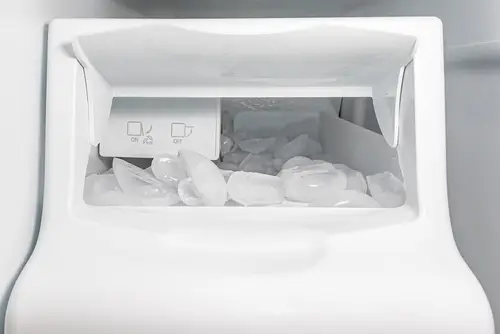
A malfunctioning ice maker may indicate a simple mechanical issue or a sign that your appliance needs maintenance. The experts at Mr. Appliance® explain how to fix refrigerator ice maker problems safely and effectively.
|
Having a fridge and freezer with an ice maker is one of those modern conveniences you don’t think about until it stops working. Whether you need ice for a party, family dinner, or a simple cold drink, your built-in ice maker saves you time and effort.
If the ice maker gets stuck or stops producing ice altogether, understanding the likely causes, potential solutions, and when to call a professional can help you avoid costly damage and keep the ice flowing.
Article contents
- Why Ice Makers Get Stuck
- Other Reasons Ice Makers Stop Making Ice
- Troubleshooting Your Fridge Ice Maker
- When to Call a Professional for Ice Maker Repair
- FAQs About Fixing Your Ice Maker
Why Ice Makers Get Stuck
If your ice maker is operating too slowly or not dispensing ice at all, an ice jam may be the culprit. The good news is that ice jams are typically easy to diagnose and resolve with a few simple steps.
|
Problem |
Cause |
Solution |
|
Ice jammed in the raker mechanism |
Most models have a raker bar that spreads newly made ice evenly throughout the bin. When cubes get trapped in the raker, it can jam and stop rotating. |
Carefully clear any stuck cubes by hand. If the bin is too full, remove some ice before restarting the ice maker. Don’t force the bar, or you could break it. |
|
Dispenser chute clogged |
Sometimes, the issue isn’t the ice maker itself but the dispenser. Ice particles, frost, and debris can block the chute, keeping the flap from opening fully. |
Open the freezer door, inspect the chute, and remove any visible obstruction. Wiping down the chute occasionally with a soft, damp cloth helps prevent future buildup. |
|
Ice clumps in the bin |
If the ice maker sits unused for a long time or the bin becomes too full, cubes can melt slightly and refreeze into large clumps. |
Remove the ice storage bin and use your hands to break the clumps apart. If they’re too solid, dump them into the sink and start fresh. Make sure to use the ice maker regularly to avoid letting stagnant ice clump together. |
Other Reasons Ice Makers Stop Making Ice
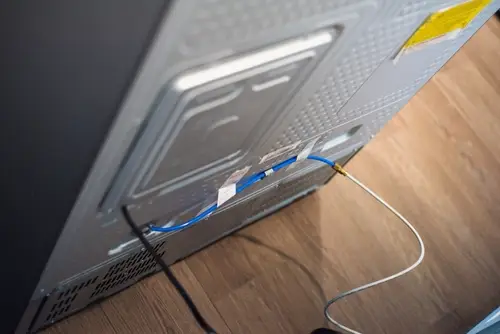
If your ice maker stops producing ice entirely, don’t panic. There are a few potential ways to fix your fridge ice maker before calling for service.
Water supply valve failure
Your ice maker requires a steady supply of water. If the valve that controls this line gets clogged, corroded, or worn out, your hopes for a cold drink melt away.
First, check the water line behind your refrigerator for kinks or visible damage. Then, inspect the valve to see if it’s stuck or leaking.
If the valve needs replacement, a professional should handle the job to prevent pipe damage.
Clogged water filter
A dirty or clogged filter can block the water flow that feeds the ice maker. This not only stops ice production but can also affect the taste of your ice.
Replace the water filter according to your refrigerator manufacturer’s recommendations (usually every six months). A fresh filter ensures clean, steady water flow while helping to prevent long-term system issues.
Troubleshooting Your Ice Maker
When troubleshooting how to fix refrigerator ice maker problems, always start with the basics.
- Check the power switch. Many ice makers have an on/off toggle. Make sure it hasn’t been switched off accidentally.
- Inspect the water line. Ensure the water line is fully connected and not frozen or kinked.
- Empty the ice bin. Overfilled or jammed bins can cause your ice maker to shut off automatically.
- Examine the temperature. Freezers should stay at 0°F to keep the ice-making process stable.
- Reset the ice maker. Some units have a reset button. Refer to your owner’s manual for model-specific instructions.
If you’ve tried these steps to fix your ice maker without success, it may be time for professional ice maker repairs.
When to Call a Professional for Ice Maker Repair
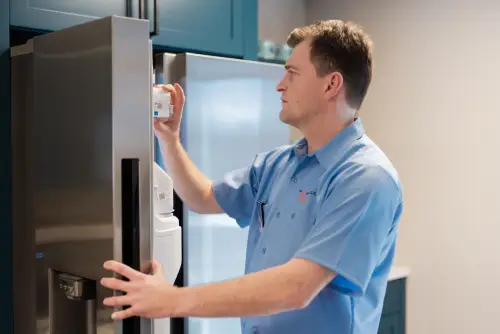
Knowing how to fix ice maker issues can save you time and frustration, but sometimes the problem runs deeper. If you’ve cleared visible blockages, checked the filter, and verified the water supply, yet your ice maker still won’t produce or dispense ice, you may be dealing with a faulty motor, damaged thermostat, or electrical issue.
Before going fridge shopping, contact the ice maker repair experts at Mr. Appliance. Our service professionals have the training and tools to diagnose and fix the ice maker quickly. We handle everything from frozen lines to broken raker motors.
For fast, dependable repair service, contact your local Mr. Appliance team and get your ice maker working like new again. Schedule service today.
This article is intended for general informational purposes only and may not be applicable to every situation. You are responsible for determining the proper course of action for your home and property. Mr. Appliance is not responsible for any damages that occur as a result of this blog content or your actions. For the most accurate guidance, contact the Mr. Appliance location nearest you for a comprehensive, on-site assessment.
FAQs About Fixing Your Ice Maker
Decades of experience, highly skilled service professionals, and a commitment to exceptional customer service have made Mr. Appliance a trusted leader in appliance maintenance and repairs. Our commitment to keeping your appliances up and running includes using our many years of experience and expertise to answer your questions. Here are answers to some of the most frequently asked questions about fixing your fridge's ice maker.